
Phone names usually tell you which model is better. Poco’s don’t. The X8s, launched globally on October 26, 2026, lists at €429 ($472) for 8GB/256GB in Europe. The X8 Pro, on sale since March 17, 2026, lists at €399.90 ($440) for the same memory, and its chip is far faster.
Poco is Xiaomi’s value brand, and its X series sits in the middle of the market, where most people actually shop. The Poco X8s vs Poco X8 Pro question isn’t about which phone is newer or more “Pro.” Instead, it comes down to whether you want raw speed and a bigger screen, or a smaller phone with a better camera. Here’s what each one gives up, what the price gap really buys, and who should get which.
-
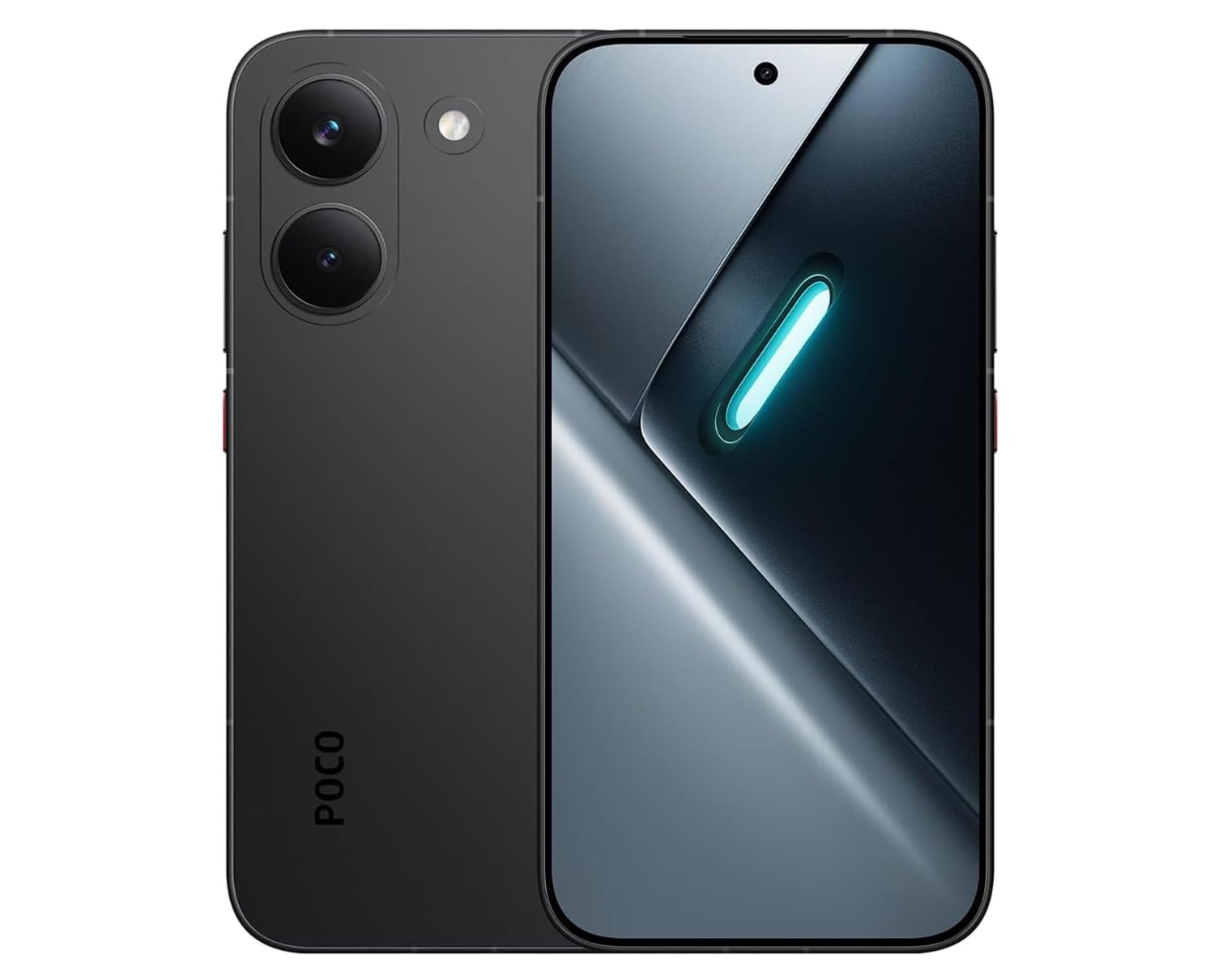
Amazon’choice
Poco X8 PRO
GRAB DEALAvailable on Amazon
-
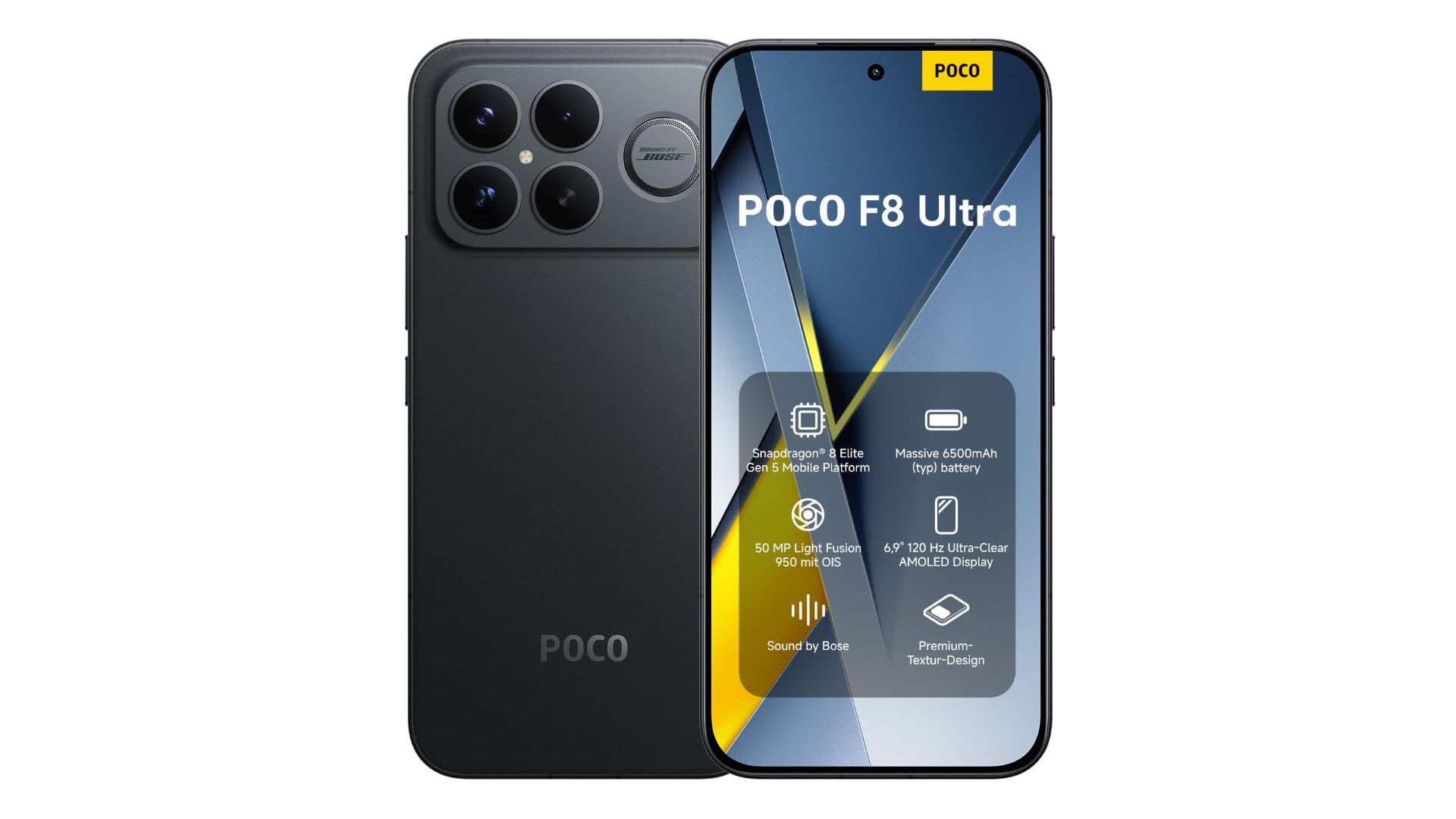
Amazon’choice
Poco F8 Ultra 5G
GRAB DEALAvailable on Amazon
-
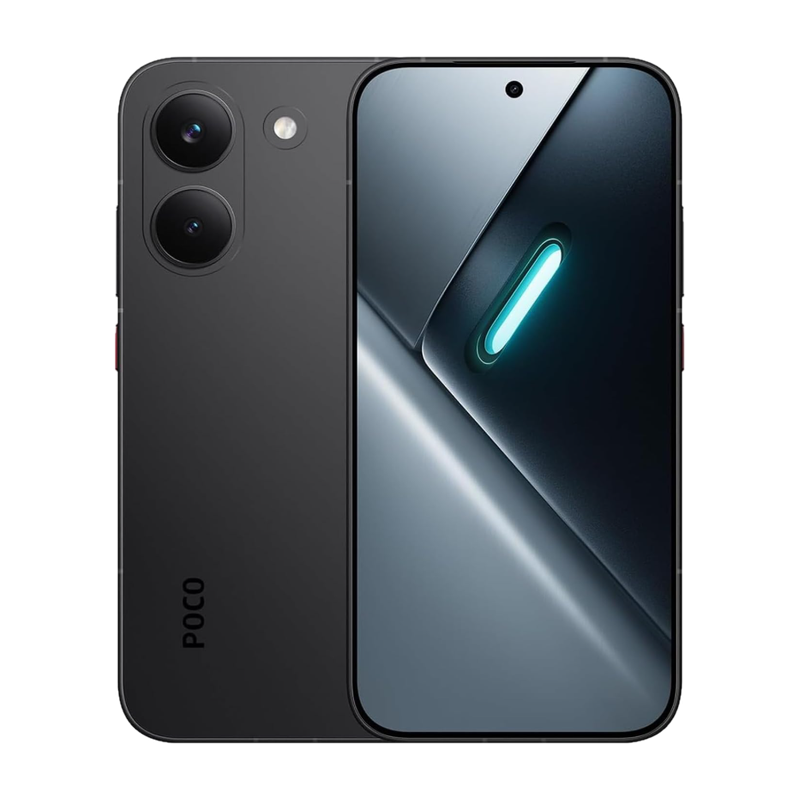
Amazon’choice
XIAOMI Poco X8 PRO 5G
GRAB DEALAvailable on Amazon
-
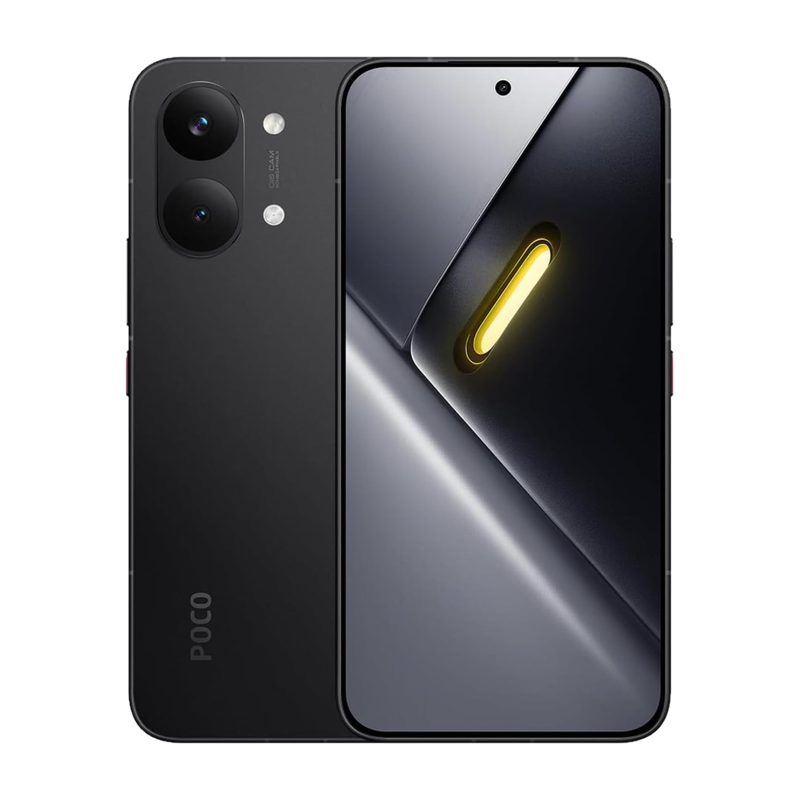
Amazon’choice
XIAOMI Poco X8 PRO MAX
GRAB DEALAvailable on Amazon
The Price Paradox, in One Table
| Europe list price | Poco X8s | Poco X8 Pro | Gap |
| 8GB / 256GB | €429 ($472) | €399.90 ($440) | X8s costs €29.10 more |
| 8GB / 512GB | Not offered | €449.90 ($495) | — |
| 12GB / 512GB | €519 ($571) | €479.90 ($528) | X8s costs €39.10 more |
| Global launch price | From $399 | Poco’s launch post said “from $299” | — |
The X8s is also sold for £449 in the UK and $399 globally. Street prices move a lot, especially around Black Friday, so check your local store before you decide. Still, at list price, the X8s is the more expensive phone in both matching configurations, by 7% to 8%, by our math.

Find the Best Black Friday Phone Deals
Compare top discounts on iPhones, Samsung Galaxy phones & more
So why would Poco charge more for the slower phone? Because the X8s isn’t trying to be a cheaper Pro. It’s a compact phone with a zoom camera, a combination that’s rare at this price. Whether that’s worth more to you than speed is the real decision.
Poco X8s vs Poco X8 Pro: Spec Sheets Side by Side
| Poco X8s | Poco X8 Pro | |
| Launch | Oct. 26, 2026 (global) | Mar. 17, 2026 (global and India) |
| Display | 6.35-inch AMOLED, 2656 x 1220, 1–120Hz, 3,500 nits peak | 6.59-inch AMOLED, 2756 x 1268, 120Hz, 3,500 nits peak |
| Chip | Snapdragon 7 Gen 4 (4nm) | Dimensity 8500-Ultra (4nm) |
| Memory | 8GB/256GB, 12GB/512GB; UFS 2.2 (spec listings) | 8GB/256GB, 8GB/512GB, 12GB/512GB; LPDDR5X, UFS 4.1 |
| Main camera | 50MP Light Fusion 800, 1/1.55-inch, f/1.77, OIS | 50MP Sony IMX882, 1/1.95-inch, OIS |
| Telephoto | 50MP, 2.5x optical (57mm) | None |
| Ultrawide | 8MP | 8MP |
| Selfie | 20MP | 20MP |
| Max rear video | 4K at 30fps (spec listings) | 4K at 60fps |
| Battery/charging | 6,330mAh, 100W, 22.5W reverse | 6,500mAh, 100W, 27W reverse |
| Water and dust | IP68 (2m, 30 min) | IP68 (1.5m, 30 min); IP69K in some markets |
| Fingerprint | Ultrasonic, in-display | Optical, in-display |
| Size/weight | 151.1 x 71.8 x 8.06mm, 187g | 157.53 x 75.19 x 8.38mm, 201.47g |
| Extras | eSIM, Wi-Fi 6E | Bluetooth 6.0, 3,840Hz PWM dimming |
| Software | HyperOS 3, Android 16 | HyperOS 3, Android 16 |
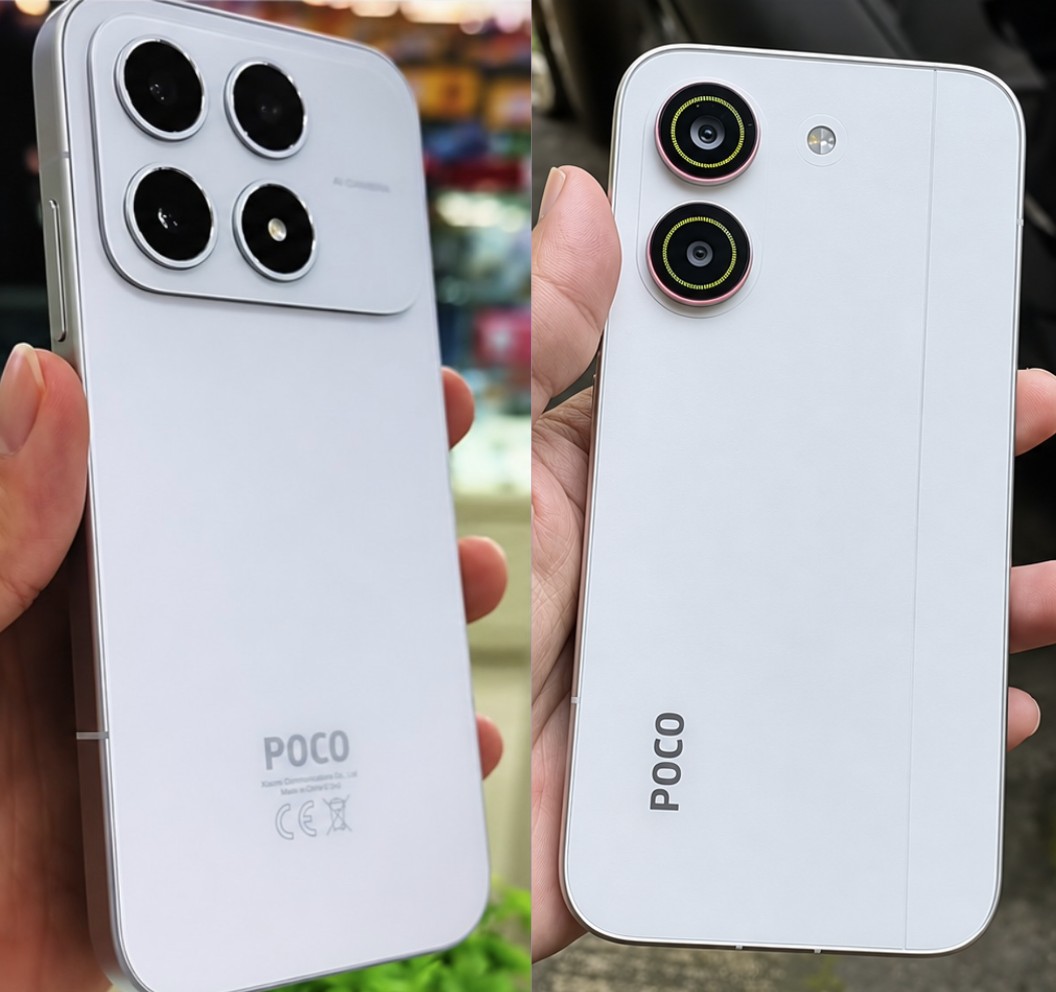
Read the table as two different phones that happen to share a charger. The X8 Pro is the faster, bigger, slightly longer-lasting phone, while the X8s is the smaller one with the better camera system.
What the X8 Pro Gives You That the X8s Doesn’t
A Much Faster Chip
The X8 Pro runs MediaTek’s Dimensity 8500-Ultra. According to MediaTek’s spec page, that’s an all-big-core design: eight Cortex-A725 cores, the fastest at 3.4GHz, plus a Mali-G720 MC8 graphics chip. The X8s uses Qualcomm’s Snapdragon 7 Gen 4, which mixes five Cortex-A720 cores with three small efficiency cores. A chip’s cores are its workers: big cores handle heavy jobs, while small ones save battery on light tasks.
| Benchmark | Poco X8s (Snapdragon 7 Gen 4) | Poco X8 Pro (Dimensity 8500-Ultra) | Gap (our math) |
| AnTuTu 11 | ~1.28 to 1.42 million | ~2.07 million | ~45% to 60% |
| Geekbench 6 single-core | ~1,252 | ~1,707 | ~36% |
| Geekbench 6 multi-core | ~3,620 | ~6,611 | ~83% |
| 3DMark Wild Life Extreme | ~2,049 | ~4,103 | ~2x |
X8s figures are typical results for its chip from benchmark databases and published tests on other phones, since few X8s tests exist yet. X8 Pro figures come from published tests of the phone. Treat them as a guide.
AnTuTu scores a phone’s overall speed, and 3DMark Wild Life Extreme measures graphics. A twofold graphics gap is big. It means the X8 Pro can run demanding 3D games at higher settings and frame rates, while the X8s will be smooth for everyday apps but need lower settings in heavy games.
Faster Storage, Confirmed
Xiaomi’s X8 Pro spec page confirms LPDDR5X RAM and UFS 4.1 storage. UFS is the standard for phone storage, and newer versions read and write data several times faster than older ones. That helps apps and games load quickly and speeds up large file transfers.
For the X8s, Poco’s own page doesn’t list a storage type, and published spec listings show UFS 2.2, a much older standard. If that’s right, the X8s will feel slower when installing big apps or moving 4K video, even when the chip isn’t the bottleneck.
A Bigger Screen and a Bit More Battery
The X8 Pro’s 6.59-inch screen has about 8% more area than the X8s’s 6.35-inch panel, by our math. Both hit the same claimed 3,500-nit peak brightness. The X8 Pro also lists 3,840Hz PWM dimming, which flickers the display very fast to dim it. A higher rate is gentler on people who notice OLED flicker.
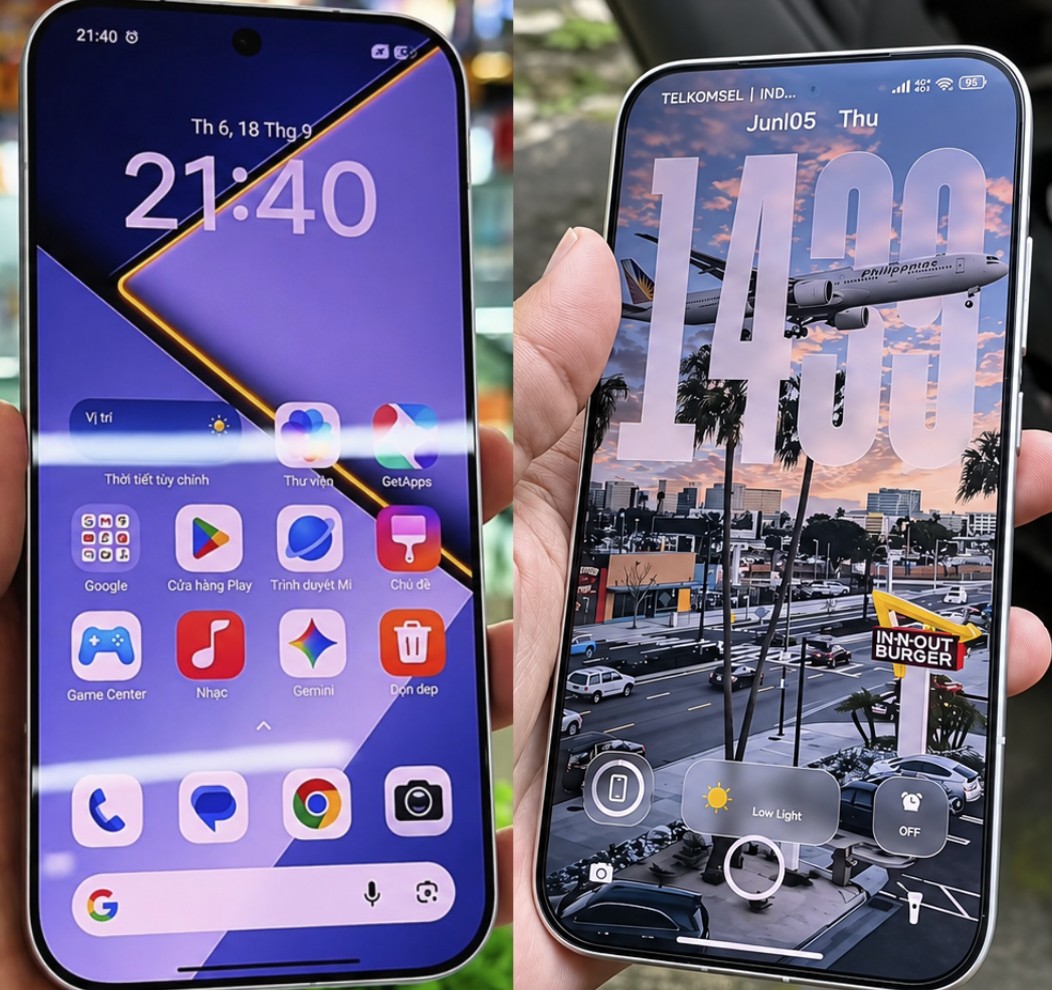
Its 6,500mAh battery is only 2.7% larger than the X8s’s 6,330mAh, though. In one published lab test, the X8 Pro filled from empty in 48 minutes with its 100W charger.
Better Video and Toughness
The X8 Pro records 4K at 60fps, which gives smoother motion than the 4K at 30fps that spec listings show for the X8s. In some markets, it also carries IP69K, which adds protection against hot, high-pressure water jets on top of IP68.
What the X8s Gives You That the X8 Pro Doesn’t
A Phone That Fits in One Hand
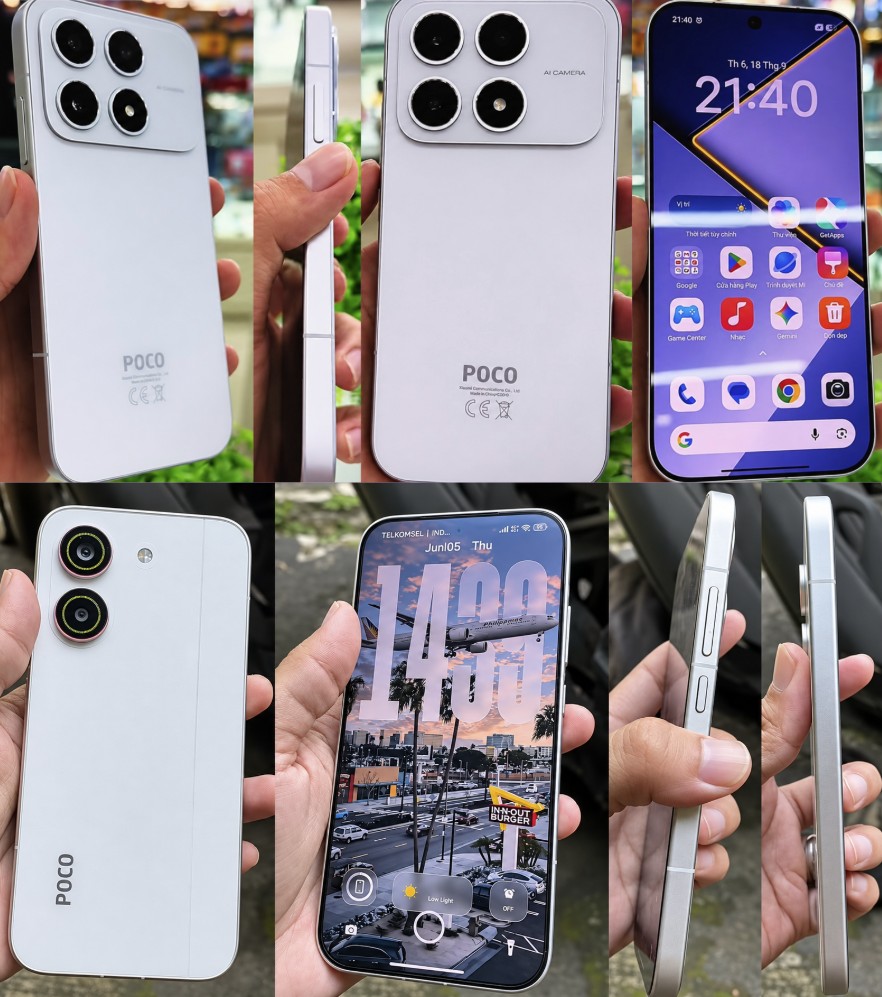
The X8s is 6.4mm shorter, 3.4mm narrower, and 14.5g lighter, by our math. At 187g, it’s one of the lightest phones with this much hardware, and its 1.18mm bezels keep the front almost all screen. If big phones make your hand ache, this is the main reason to choose it.
A Real Zoom Lens
The X8s has a 50MP telephoto camera with 2.5x optical zoom, equivalent to a 57mm lens on a traditional camera. Optical zoom uses real glass to bring subjects closer, so photos keep their detail instead of being cropped and enlarged. A 2.5x lens is also a flattering length for portraits. The X8 Pro, on the other hand, has no telephoto, so anything past 2x is digital cropping.
A Larger Main Sensor
According to Poco’s X8s product page, its Light Fusion 800 main sensor measures 1/1.55 inches. The X8 Pro’s Sony IMX882 measures 1/1.95 inches in published spec sheets. By our math, the X8s sensor has roughly 58% more surface area. A bigger sensor collects more light, which usually means cleaner night photos and more natural background blur.
Both main cameras have OIS (optical image stabilization), tiny motors that steady the lens against hand shake. Both phones also share an 8MP ultrawide and a 20MP selfie camera, so those are a wash.
Small Upgrades You’ll Notice
- Ultrasonic fingerprint sensor: it reads your finger with sound waves, which works better with wet or dirty fingers than the X8 Pro’s optical sensor.
- eSIM: a built-in digital SIM, handy for travel plans or a second number without a physical card.
- Wi-Fi 6E: support for the less crowded 6GHz band on newer routers, which the X8 Pro’s Wi-Fi 6 lacks.
- Battery health claim: Poco says the X8s keeps at least 80% of its capacity after 1,600 charge cycles, or about four years of daily charging.
Battery Life: Closer Than the Specs Suggest
| Poco X8s | Poco X8 Pro | |
| Capacity | 6,330mAh | 6,500mAh |
| mAh per gram (our math) | 33.9 | 32.3 |
| Charging | 100W | 100W |
| Watts per 1,000mAh (our math) | 15.8W | 15.4W |
| Reverse wired charging | 22.5W | 27W |
Both phones use silicon-carbon batteries, a newer chemistry that packs more energy into the same space. The X8s actually carries slightly more battery per gram, and its smaller, lower-resolution screen should draw a little less power. Meanwhile, the X8 Pro’s faster chip may use more energy under heavy load. Until both are tested side by side, we’d call battery life a tie.
Software and Support: An Open Question for Both
Both phones ship with HyperOS 3 on Android 16. However, Poco hasn’t published an update policy for either model on its product pages. For comparison, Poco promised four Android upgrades and six years of security patches for the bigger X8 Power. Some retail listings show four years of OS updates for the X8 Pro, but that’s not an official commitment.
Security updates patch the holes that scammers and malware use, so they decide how long a phone stays safe to use. If you plan to keep your phone for five years or more, ask the seller what Poco guarantees before you buy.
The Math: What Your Euros Actually Buy
Here’s what the spec sheets don’t show, using the 8GB/256GB list prices:
- Speed per euro: the X8 Pro costs about €19 per 100,000 AnTuTu points, against roughly €30 to €33 for the X8s, by our math. In other words, you pay about 57% to 74% more for each unit of speed with the X8s.
- Storage per euro: if you want 512GB, the X8 Pro offers it with 8GB of RAM for €449.90. The X8s only sells 512GB with 12GB of RAM, at €519, which is €69.10 more.
- What the €29.10 premium buys: a 2.5x telephoto, a larger main sensor, a 14.5g lighter body, an ultrasonic fingerprint reader, eSIM and Wi-Fi 6E.
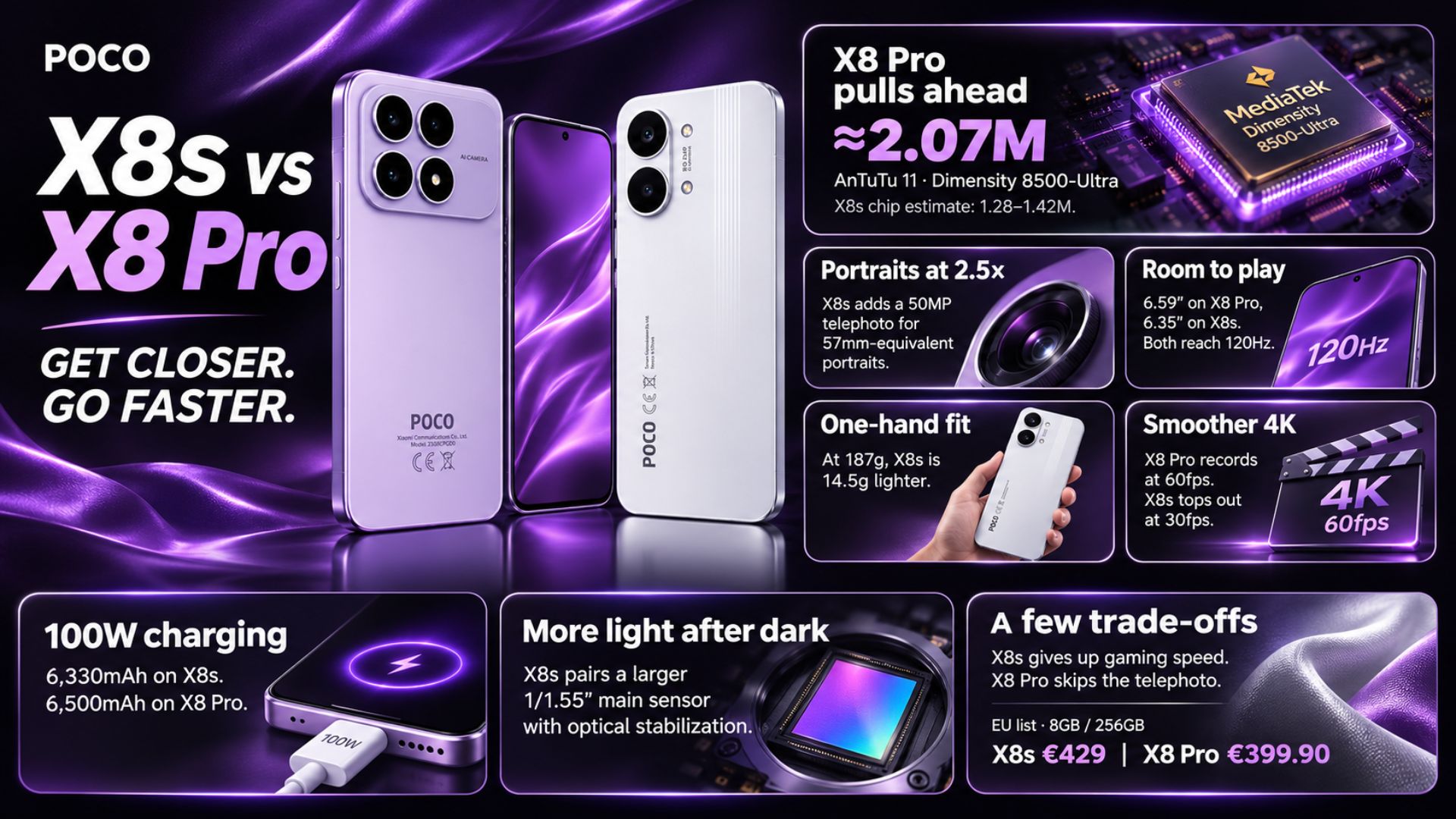
Seen that way, the X8s isn’t overpriced. It’s priced as a camera-and-size upgrade, not a speed upgrade. If you’d pay €29 for a zoom lens alone, the rest comes free.
Poco X8s vs Poco X8 Pro: Who Should Buy Which
Get the Poco X8 Pro if:
- You play 3D games or edit video, where its roughly 2x graphics lead shows.
- You want a bigger screen for streaming and reading.
- You care about fast storage, 4K60 video, or IP69K.
- You want the most performance per euro in Poco’s 2026 lineup.
Get the Poco X8s if:
- You want a phone that’s easy to use with one hand.
- You take portraits, zoom into concerts, or shoot your kids from across the room.
- You’d rather have a better camera than a faster chip.
- You need eSIM or prefer an ultrasonic fingerprint sensor.
For most people, the X8 Pro is the better value, because it costs less and the performance gap is large and permanent. The X8s wins for a specific buyer who values size and zoom over speed, and for that person, it’s one of the most interesting mid-rangers of 2026.
FAQs
What’s the difference between Poco and Xiaomi?
Poco is a sub-brand of Xiaomi that focuses on performance for the price and sells mainly online. Its phones run Xiaomi’s HyperOS software and often share hardware with Redmi models sold in China. Warranty and service usually go through Xiaomi’s network.
Is UFS 2.2 storage too slow in 2026?
It’s fine for messaging, social media and streaming. You’ll notice it more when installing large games, copying big video files or opening heavy apps, where UFS 3.1 and 4.x storage can be several times faster. It’s worth checking before you buy if you plan to keep the phone for years.
What is an ultrasonic fingerprint sensor?
It sits under the screen and uses sound waves to map the ridges of your finger in 3D. Compared with optical sensors, which take a picture with light, ultrasonic readers tend to work better with wet, dry or dirty fingers. They usually cost more, which is why they’re less common on mid-range phones.
Do phone RGB lights do anything useful?
Some do. Lights around the camera can flash for notifications, show charging progress or react during games and music. They’re mostly about style, but a good notification light can save you from waking the screen. Check whether you can turn it off or customize it.
Should I wait for Black Friday to buy a Poco phone?
If you can, it’s often worth it. Poco and online retailers regularly cut prices on X-series phones during big sales, and older models like the X8 Pro tend to get the deepest discounts. Compare the deal price with the list price, and check that the model and memory match the version you want.
The post Poco X8s vs Poco X8 Pro: The Newer Poco Costs More and Runs Slower appeared first on Memeburn.